



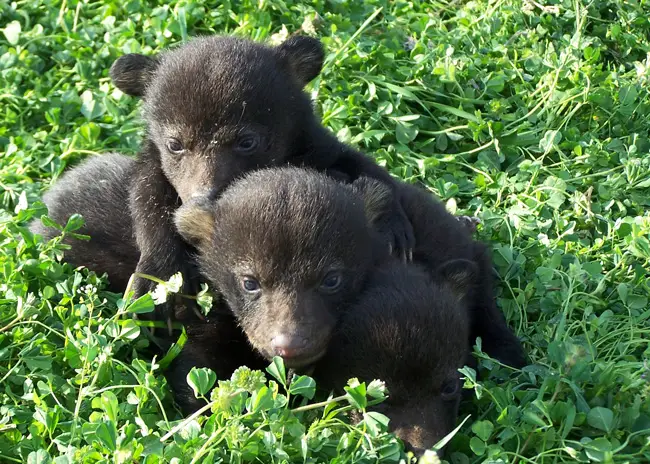
After having what one described as a “significant impact” on Florida’s black bear hunt this month, conservationists could seek to add bears to the federal threatened species list. The Florida Fish and Wildlife Conservation Commission on Tuesday reported 52 bears were killed during the hunt, which was held from Dec. 6 through Sunday.
That was less than a third of the 172 bears that could have been killed. The state issued 172 permits through a lottery-style system, with each permit holder authorized to kill one bear. Opponents reportedly got about 40 of the permits and offered up to $2,000 to some hunters to not use their permits, which cost $100 for Florida residents and $300 for non-residents.
On Wednesday, Chuck O’Neal of Speak Up Wekiva, a group that opposed the hunt, compared this year to the last previous hunt in 2015. “We made a significant impact on the number of bears killed this season. After 304 were killed in two days in 2015, 52 killed in three weeks is a significant improvement,” O’Neal said in an email. “However, this saga is by no means over. Buying up the tags was a stopgap measure, not a long-term solution. Now we move to get the Florida black bear listed as threatened at the federal level, through federal court action if necessary.”
Black bears were placed on the state’s threatened list in 1974, when there were between 300 and 500 across Florida. At the time, hunting black bears was limited to three counties. In 1994, the hunting season was closed statewide. By 2002, the black-bear population was estimated at 3,000. A decade later, bears were removed from the state’s list of threatened animals. Fish and Wildlife Conservation Commission Executive Director Roger Young described this year’s hunt as a success.
“We’re proud to have joined the more than 30 states that manage black bears with regulated hunting,” Young said in a prepared statement Tuesday. “The limited number of permits issued in areas with the largest bear populations and other components of the hunt prioritized a conservative approach that ensures the long-term health of bear populations in Florida, while providing opportunity for hunters.”
–News Service of Florida

























Leave a Reply